
Understanding Anxiety Disorders
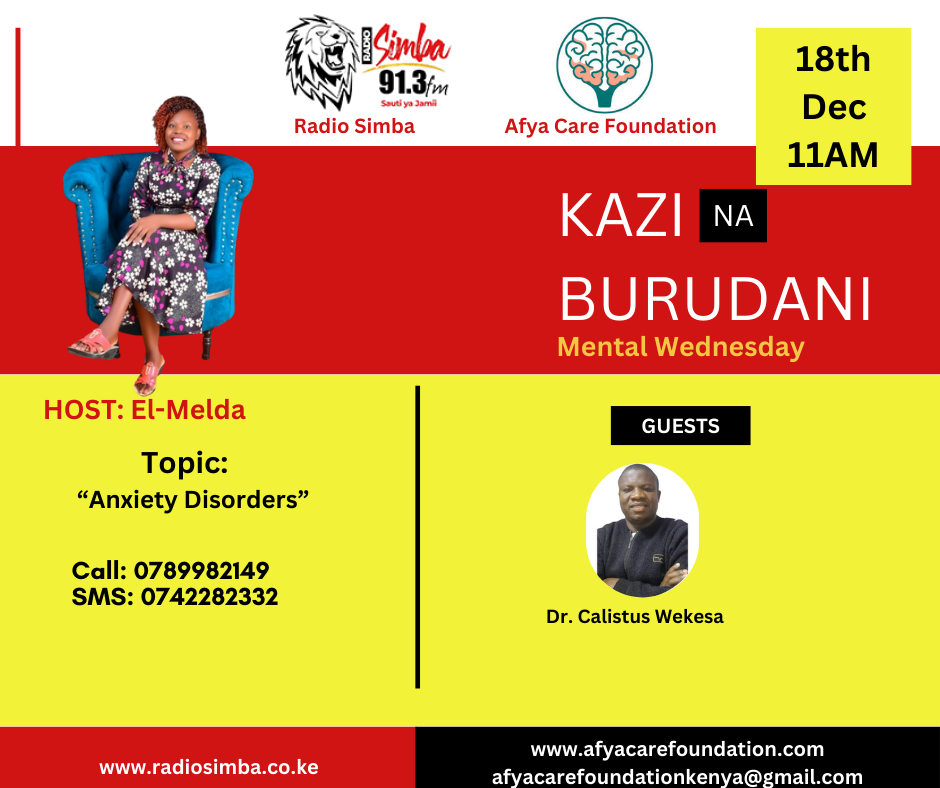
Anxiety disorders are among the most common mental health conditions, affecting millions of people worldwide. They involve excessive fear, worry, or nervousness that can interfere with daily life. While it is normal to feel anxious in stressful situations, anxiety disorders are more intense, persistent, and often occur without a clear trigger.
There are several types of anxiety disorders, including generalized anxiety disorder (GAD), panic disorder, social anxiety disorder, and specific phobias. GAD is characterized by chronic and uncontrollable worry about everyday situations, while panic disorder involves sudden and intense episodes of fear, known as panic attacks. Social anxiety disorder causes overwhelming fear of social situations, and phobias are intense fears of specific objects or scenarios.
The causes of anxiety disorders can be complex, involving a mix of genetics, brain chemistry, personality, and life experiences. Symptoms often include restlessness, difficulty concentrating, rapid heartbeat, and sleep disturbances.
Fortunately, anxiety disorders are treatable. Therapy, particularly cognitive-behavioral therapy (CBT), is highly effective in helping individuals manage symptoms. Medications, such as antidepressants or anti-anxiety drugs, can also provide relief. Additionally, lifestyle changes, including regular exercise, mindfulness, and stress management, play a significant role in recovery.
Raising awareness and reducing stigma around anxiety disorders is essential for promoting mental health and encouraging individuals to seek help.