
Understanding Paranoid Disorders
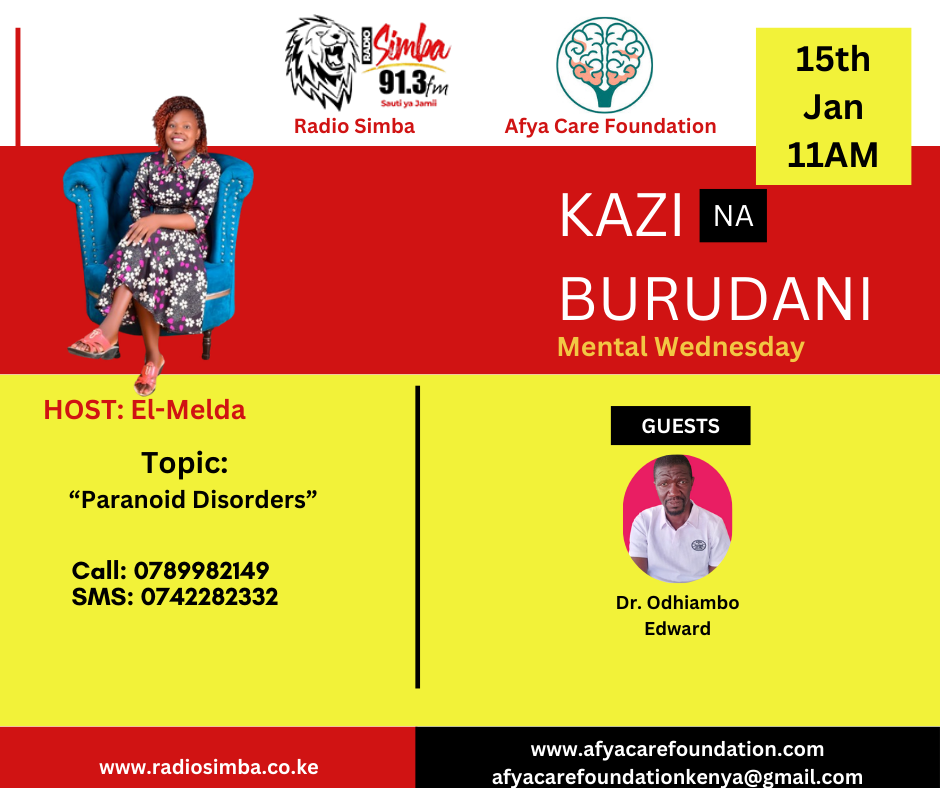
Paranoid disorders, also known as paranoid personality disorders (PPD), are mental health conditions characterized by persistent distrust and suspicion of others. Individuals with this disorder often believe that others are out to harm, deceive, or exploit them, even when there is no evidence to support such beliefs. This pervasive mistrust can significantly impact their relationships, work, and overall quality of life.
The symptoms of paranoid disorders include hypersensitivity to criticism, reluctance to confide in others, interpreting benign actions as hostile, and holding grudges. These individuals may also be excessively self-reliant, avoid social interactions, and struggle with feelings of insecurity or inadequacy.
The exact causes of paranoid disorders are not fully understood, but they are believed to result from a combination of genetic, biological, and environmental factors. Childhood experiences, such as abuse or neglect, may also play a role in the development of the condition.
Treatment for paranoid disorders typically involves psychotherapy, which focuses on building trust, improving social skills, and addressing underlying fears. Cognitive-behavioral therapy (CBT) is particularly effective. In some cases, medications like antianxiety or antidepressant drugs may be prescribed to manage associated symptoms.
Early intervention and support from mental health professionals can help individuals with paranoid disorders lead more fulfilling lives. Education and awareness are crucial to reducing stigma and encouraging those affected to seek help.